 My Account
The Allure of Gambling
The psychology behind gambling is a captivating field that sheds light on why countless individuals find themselves attracted to casinos. The allure frequently starts with the thrill of winning, which activates the brain’s reward system. This system releases dopamine, a neurotransmitter linked to pleasure and satisfaction, resulting in a potentially addictive experience for many. As players engage in various games, they may discover the best online casino nz for their preferences, even small wins can reinforce the behavior, encouraging continued play and creating a cycle of excitement and reward that can be hard to break.
Moreover, the physical environment of casinos is meticulously designed to enhance this psychological allure. Bright lights, intriguing sounds, and the overall ambiance are crafted to provide an immersive experience that captures visitors’ attention. This sensory stimulation plays a crucial role in amplifying excitement levels, which can cloud judgment and lead to impulsive decisions. As individuals become engulfed in this captivating atmosphere, their ability to assess risks accurately decreases, further entrenching them in the gambling cycle.
In addition to the environmental factors, personal motivations significantly influence why people choose to gamble. For some, gambling serves as an escape from the stresses of everyday life, providing a form of entertainment or distraction from their problems. Others may see gambling as a social activity, enjoying the opportunity to connect with friends or meet new people. These varied motivations illustrate how gambling can fulfill different needs, ultimately affecting a player’s likelihood of engaging in casino activities.
Cognitive Biases in Gambling
The psychology of gambling is profoundly affected by cognitive biases that distort a player’s understanding of risk and reward. One significant cognitive bias is the illusion of control, where gamblers mistakenly believe they can influence the outcome of games through skill or strategies. This misconception often drives them to gamble more, convinced they can outsmart the odds, even in games where outcomes are entirely random, such as slot machines or roulette. This belief can lead to prolonged gambling sessions, as players cling to the idea that their decisions can alter their fate.
Another prevalent bias is the gambler’s fallacy, wherein players erroneously believe that previous outcomes can impact future results. For example, if a coin flip results in heads multiple times, some may assume that tails is “due” to occur next. Such fallacies can lead to irrational betting behaviors and poor decision-making, reinforcing the gambling cycle despite a lack of statistical basis for these beliefs. Recognizing these biases is crucial for players, as they can result in considerable financial losses and dependency on gambling.
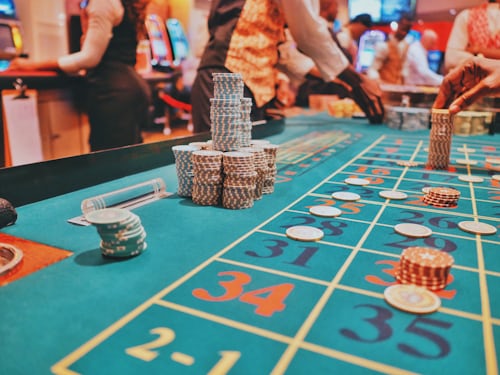
Additionally, the phenomenon of near misses plays into the psychological traps of gambling. For instance, if a player comes close to winning a jackpot—like being one symbol away—the brain often registers this as a significant achievement, heightening excitement and the urge to continue playing. This emotional response can create a false sense of confidence that keeps players engaged longer than they initially intended. Overall, these cognitive biases underscore how psychological factors can manipulate perception, leading to compulsive gambling behaviors that may be difficult to control.
The Role of Emotion in Gambling
Emotions play a critical role in shaping gambling behaviors, as players frequently bet based on feelings rather than rational thought. For many, the joy and excitement associated with winning reinforce their desire to gamble. Conversely, losing can trigger negative emotions such as frustration and disappointment, prompting individuals to gamble more in an attempt to recover their losses—a behavior known as chasing losses. This emotional rollercoaster can lead to impulsive decisions that undermine self-control and sound judgment.
Moreover, personal circumstances and mental health significantly intertwine with emotions, complicating the gambling experience even further. Individuals dealing with anxiety or depression may turn to gambling as a form of temporary escape. While this coping mechanism can offer fleeting relief, it often exacerbates emotional distress when losses occur. Understanding the complex interplay between emotions and gambling behavior is essential for identifying patterns that may lead to problematic gambling.
Additionally, social dynamics contribute significantly to emotional influences in gambling. When gambling in groups, shared excitement can amplify emotional responses, pushing individuals to make riskier bets or prolong their gambling sessions to maintain the excitement established by their peers. This communal aspect adds another layer to the psychological landscape of gambling, showcasing how social interactions can dictate decisions and behaviors within the casino environment.
Problematic Gambling Behavior
Recognizing problematic gambling behavior is essential for comprehending its psychological impact. While many individuals can gamble without issues, others may find themselves facing severe consequences, including financial ruin and strained relationships. The shift from casual gambling to problematic behavior often evolves gradually, with individuals becoming increasingly preoccupied with betting, neglecting responsibilities, and sacrificing personal connections for the sake of the game.

A significant factor contributing to problematic gambling is the inability to recognize the signs of addiction. Cognitive biases and emotional triggers can lead individuals to rationalize their behavior and minimize the negative effects of gambling. Awareness programs and educational resources are vital in helping gamblers identify these signs early on, allowing for timely interventions that can prevent the progression into destructive patterns. Increasing awareness can empower individuals to seek help before their gambling habits become unmanageable.
Additionally, various treatment options are available for those struggling with gambling addiction. These can include counseling, support groups, and cognitive-behavioral therapy, which focuses on altering harmful thought patterns. Effective treatment approaches recognize the underlying psychological issues contributing to gambling behavior and aim to equip individuals with coping strategies to manage their impulses better. By addressing both emotional and cognitive dimensions of gambling, recovery can become a more feasible goal.
Learning More About Gambling Psychology
To explore the psychology of gambling more deeply, there are numerous resources available that provide insights into the complexities involved. Whether through academic research, informative books, or engaging online articles, delving into these materials can empower individuals with the knowledge necessary to navigate the world of casinos responsibly. Understanding the psychological factors at play encourages a more informed approach to gambling and can help players make healthier choices.
Moreover, engaging with forums and communities focused on gambling education can extend support and peer insights. Sharing experiences and strategies with others who have faced similar challenges can enhance one’s understanding of how psychological elements influence behavior. These discussions can serve as a foundation for fostering a healthier gambling culture within society, emphasizing moderation and awareness while reducing the stigma associated with gambling problems.
Ultimately, whether for personal interest or professional study, learning about the psychology behind gambling can yield profound insights. By recognizing the interplay between cognitive biases, emotional responses, and social influences, individuals can appreciate the complexity of gambling behavior. This knowledge fosters a balanced perspective, encouraging responsible gambling practices and promoting mental well-being within the enticing world of casinos.